P I E C E S
-
Article: Bernd and Hilla Becher's Inadvertent Human Science
06.29.25
Journal of Aesthetics and Culture, Vol. 17, Issue 1 (17 June 2025)
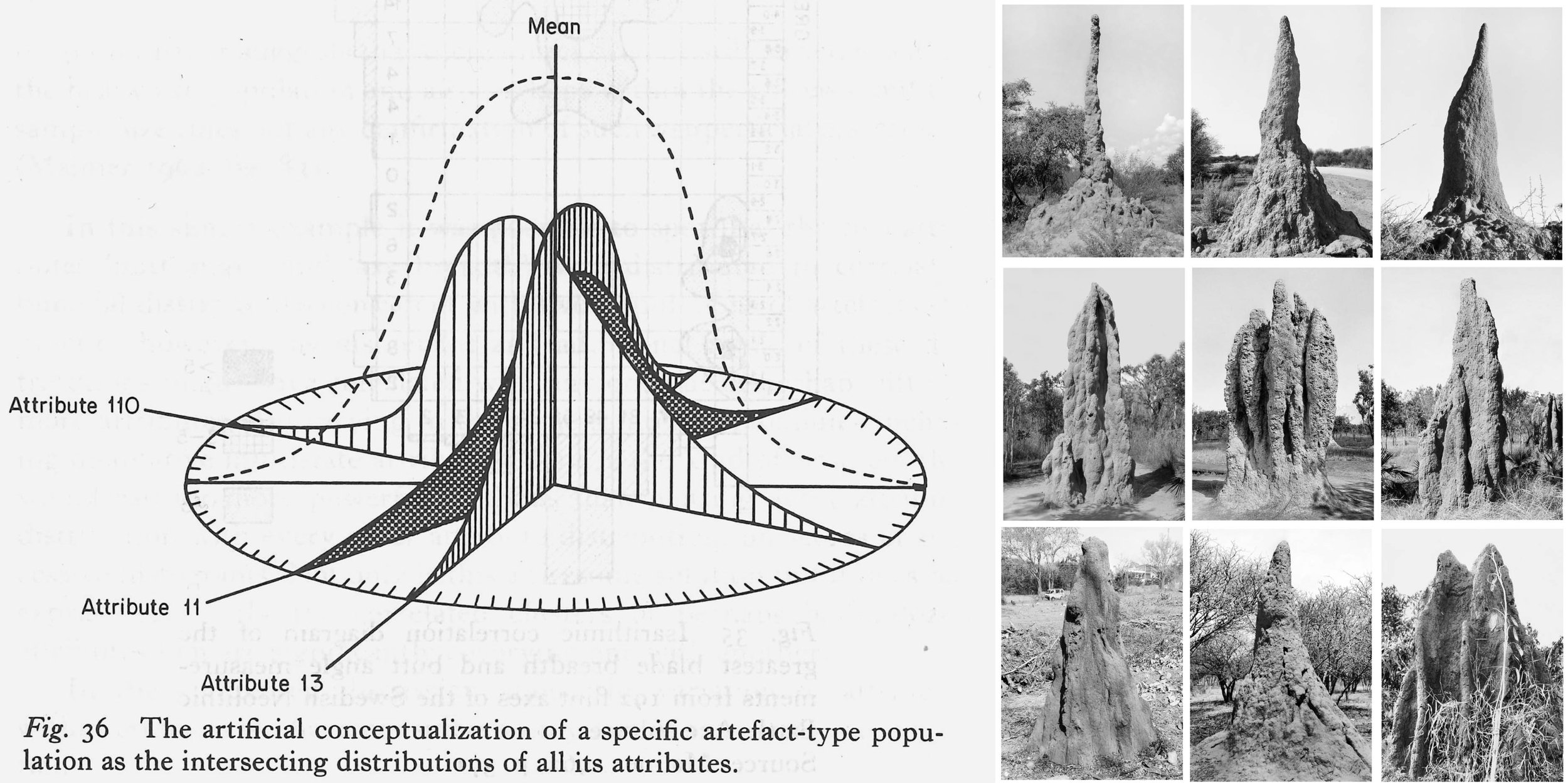
In which I argue that Bernd and Hilla Becher's photographic typologies of industrial buildings, famous as Conceptual art, are actually scientifically better at disclosing the parameters of artifact form than methods E.O. Wilson based human sociobiology on. To show why I use my Bechers Redux project, proving that anyone can collect their scientific data.
-

Review: Jooyoung Shin, Alterity: The State of Being a Woman
04.04.24
Jill Stuart Gallery, Cornell University
In which I review Jooyoung Shin's fashion exhibition Alterity.
-
Lecture: Cornell Reunion
06.18.19
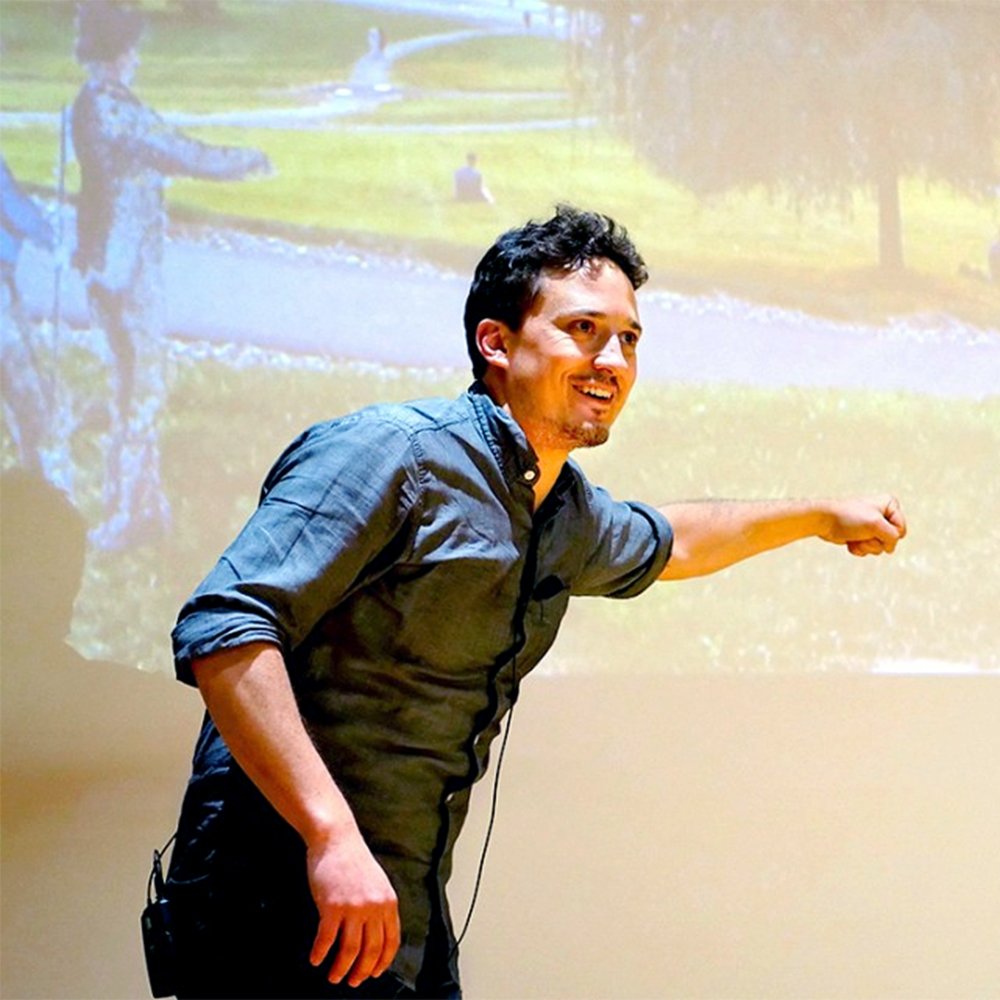
I gave a public lecture to the attendees of Cornell's 2019 Reunion upon the invitation of the University Library's exhibition "World Picture: Travel Imagery Before and After Photography." I tell people what that strange person in the foreground of so many landscapes is really doing there, and why he disappeared after photography.
-
Photography: Bechers Redux
07.18.17
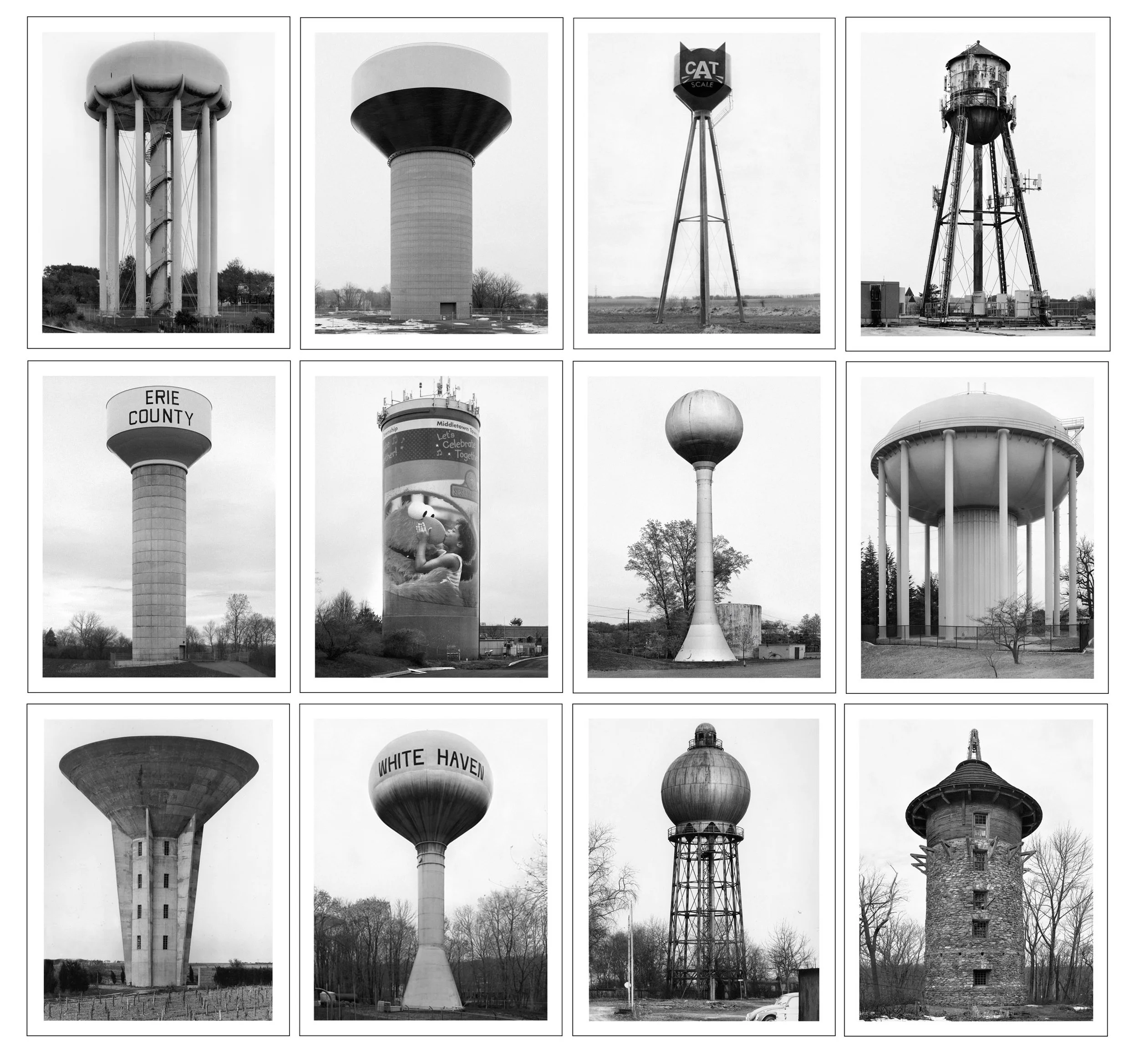
Part of my research into the German photographers Bernd and Hilla Becher was to see if there was a formula for their aesthetic, thereby allowing anyone to continue their survey. The results might surprise you.
-
Interview: Critical Inquiry Podcast
07.18.17
Critical Inquiry Podcast, Summer 2017
What is that corner of rubble in the desert? And why are those people admiring it?
-
Article: Permanent Negative Value: The Waste Isolation Pilot Plant
07.18.17
Critical Inquiry, Volume 43, Issue 4 (Summer 2017)
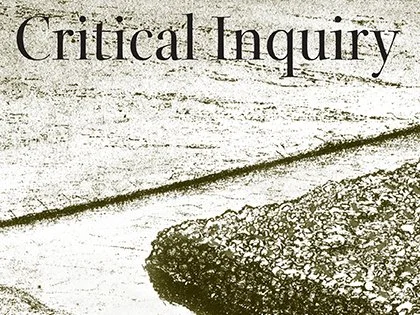
It is one thing to profess a theory of precognitive affect but quite another to put one into practice. An object that triggers the same emotion in all humans sounds like science fiction. But testing hydrogen bombs in the desert has given us the need for such an object. What shall we make to keep humans from digging up our radioactive waste long after our present languages and memories are dead?
-
Opinion: Who Can Represent Black Pain?
04.17.17
Los Angeles Review of Books: The Philosophical Salon
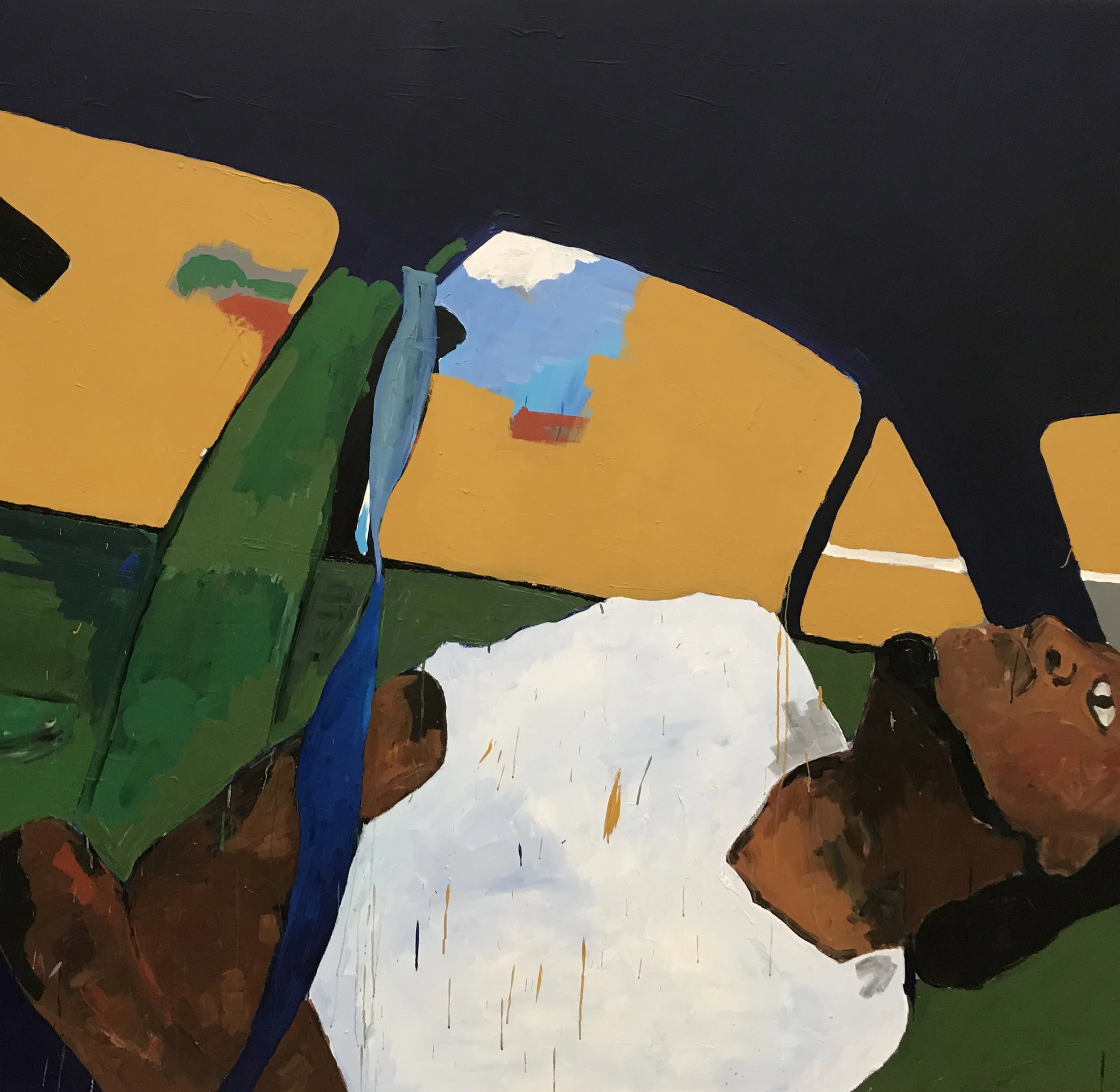
Painting about what Black pain is like, and not merely what it looks like, would be a revelation in the fine arts. That said, Black painters who want to walk this path have competition, not just with non-Black artists, nor merely with each other, but with the cell phone and body cam footage that have made Black suffering matter to curators now.
-

Article: On the Desire To Mark Our Buried Nuclear Waste: Michael Madsen's "Into Eternity"
12.01.16
Qui Parle, Vol. 20.2, Spring/Summer 2012
The poison from Olkiluoto Nuclear Power Plant in Finland will be lethal for a hundred thousand years, roughly twice as long as humans have existed. A thousand centuries is mythical time, and as such no one can really be expected to rationally solve a problem ordained to occur within it. Into Eternity (2010) is Danish filmmaker Michael Madsen’s recent attempt to meditate on just such a problem: how to remind the next four thousand generations not to dig beneath the Finnish forest floor.